
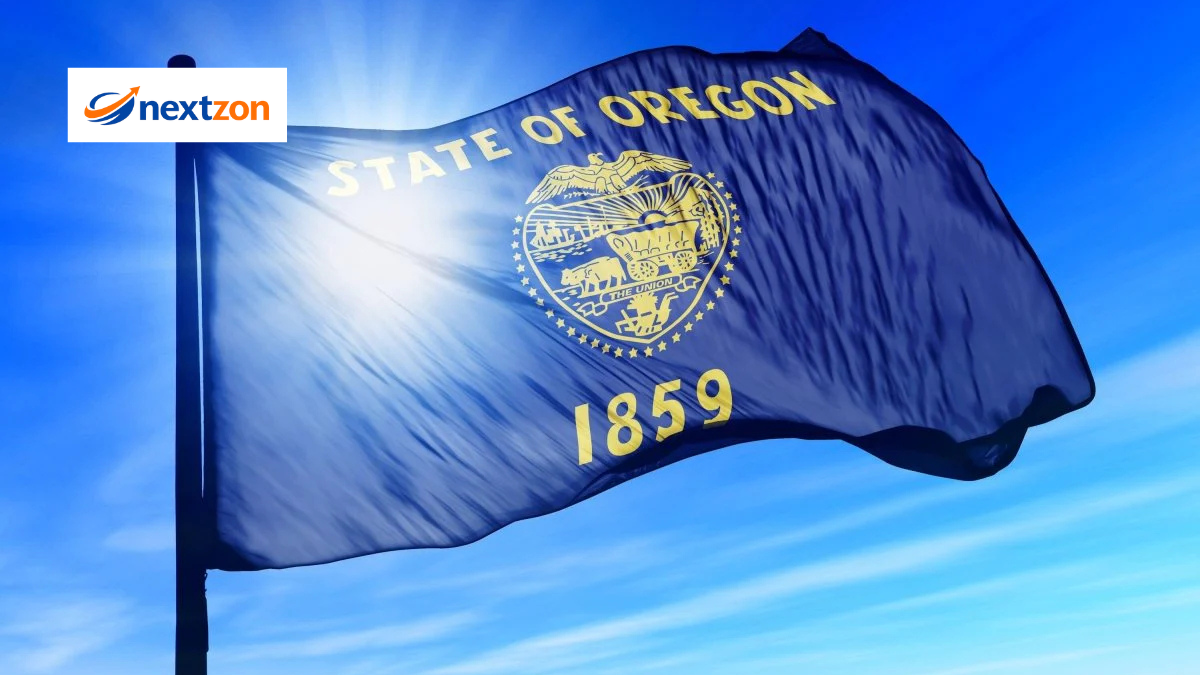
The Oregon Flag is one of the most distinctive state flags in the United States, widely recognised for its unique double-sided design. Unlike any other state flag, it features different imagery on the front and back, making it an intriguing subject for both residents and historians. Its elements reflect Oregon’s history, cultural identity, and pride, telling a story that connects citizens with the state’s past, from early settlements to modern times.
The Oregon Flag is prominently displayed across public buildings, schools, and state ceremonies. Its bold navy blue and gold colours create a striking visual impact, while the front and reverse designs capture the essence of Oregon’s heritage. More than a decorative emblem, the flag symbolises resilience, industry, and the pioneering spirit of the Beaver State, making it an enduring icon that represents the heart of Oregon.
History of the Oregon Flag
The history of the Oregon Flag dates back to the early 20th century, although its origins are tied closely to Oregon’s statehood in 1859. The front of the flag features the state seal, while the reverse showcases a golden beaver, reflecting the importance of the fur trade and Oregon’s industrious character. Officially adopted in 1925, the flag was designed to commemorate the state’s identity while providing a distinct symbol for public and governmental use.
Before this adoption, Oregon lacked a standardised flag for official purposes. Various designs were used at state events, fairs, and civic celebrations. The final design combined historical symbolism with unique features, such as the only double-sided imagery among U.S. state flags. The Oregon Flag has since remained largely unchanged, standing as a historical record and a proud representation of Oregon’s journey over the centuries.
Design and Colours of the Oregon Flag
The Oregon Flag features a rich navy blue background complemented by golden yellow designs. On the front, the state seal presents an eagle perched atop a shield, surrounded by stars representing the 33 states in the Union at the time of Oregon’s admission. Below the shield, the date “1859” marks statehood, while ships and mountains within the seal signify commerce and natural beauty. The reverse displays a golden beaver, Oregon’s state animal, symbolising industry and perseverance.
Colours play an important role in the Oregon Flag’s design. The deep blue evokes loyalty, confidence, and tradition, while gold highlights the value and importance of the state’s heritage. Every element is meticulously chosen to represent Oregon’s identity, from natural landscapes to historical milestones. This attention to detail makes the Oregon Flag both visually impressive and rich in meaning, making it a symbol of state pride.
Meaning and Symbolism Behind the Oregon Flag
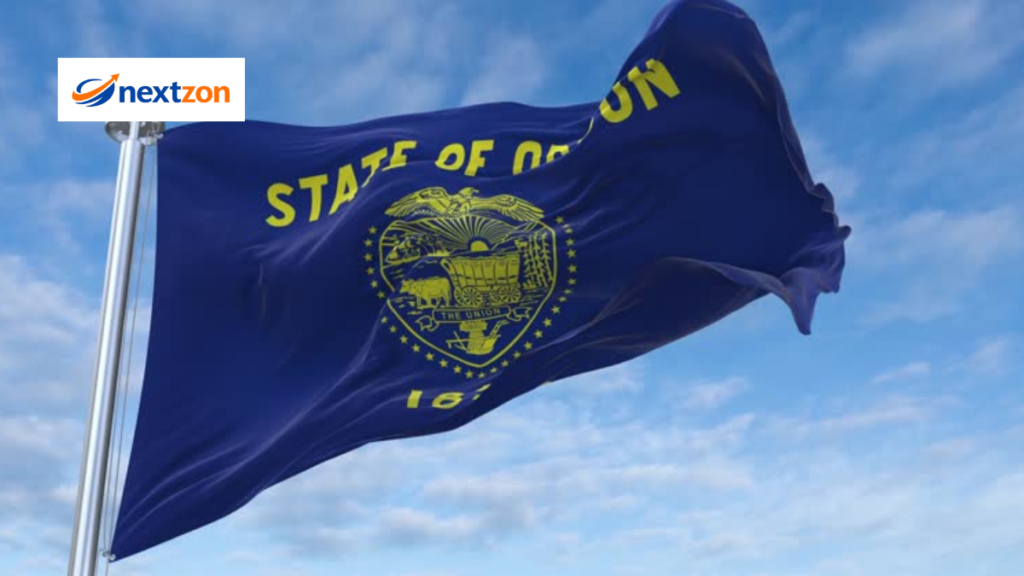
The Oregon Flag is laden with symbolic meaning that connects directly to the state’s history and identity. The eagle atop the shield represents courage and freedom, while the shield itself shows ships, mountains, and forests to illustrate Oregon’s commerce, exploration, and natural resources. Stars around the seal honour the state’s admission into the Union, emphasising Oregon’s position as the 33rd state.
The reverse side’s golden beaver is equally significant. As the state animal, it reflects the fur trade’s historical importance and represents traits such as hard work, resourcefulness, and determination. Together, the seal and beaver create a narrative that celebrates Oregon’s past, its natural beauty, and its pioneering spirit. The Oregon Flag serves as a visual story of the state’s values and achievements.
Unique Features of the Oregon Flag
One of the most remarkable aspects of the Oregon Flag is its two-sided design, making it the only U.S. state flag with different images on each side. The front and back each tell different parts of Oregon’s story, combining history, symbolism, and culture into one cohesive emblem. This dual-sided feature has drawn interest from historians, flag enthusiasts, and residents alike, highlighting its uniqueness among other state flags.
This distinctive feature ensures that the Oregon Flag stands out in parades, educational programmes, and public celebrations. It represents both tradition and creativity, blending historical accuracy with visual appeal. The Oregon Flag’s design demonstrates the state’s pride in its history while also creating an engaging symbol that captures the imagination of all who see it.
Oregon Flag in Modern Culture
The Oregon Flag remains a strong symbol of pride and identity across the state today. It is widely used in schools, government offices, and state ceremonies, helping to educate citizens about Oregon’s history and values. Residents often display the flag in homes, businesses, and community events to celebrate their connection to the state and its heritage.
Beyond official use, the Oregon Flag has also influenced merchandise, artwork, and digital media. From posters to social media images, its distinct design is easily recognisable and celebrated in popular culture. By maintaining its historical elements, the flag continues to link contemporary Oregonians with their past, reinforcing civic pride and a shared sense of belonging.
How to Display the Oregon Flag Correctly
The Oregon Flag should always be displayed with respect and according to official protocols. When flown alongside the United States flag, it is usually placed to the observer’s right, ensuring the front seal or beaver is visible and prominently displayed. Proper handling preserves the flag’s dignity and reinforces its importance as a state symbol.
Care should also be taken when folding, storing, or presenting the Oregon Flag during ceremonies. Following recommended guidelines ensures that the fabric, colours, and designs remain intact for generations to come. Correct display of the Oregon Flag not only honours tradition but also highlights the pride Oregonians have in their state and its enduring symbols.
Conclusion
The Oregon Flag is far more than a decorative banner; it is a living emblem of history, culture, and state pride. Its unique double-sided design, rich symbolism, and meaningful colours make it stand out among U.S. state flags. By understanding the history and elements of the Oregon Flag, both residents and visitors can appreciate the story it tells about Oregon’s heritage, values, and enduring spirit.
Frequently Asked Questions
Why does Oregon have a two-sided flag?
The Oregon Flag is two-sided to display the state seal on the front and a beaver on the back, making it unique among U.S. state flags.
What does the beaver on the Oregon Flag symbolize?
The beaver represents Oregon’s history in the fur trade and embodies industry, hard work, and perseverance.
When was the Oregon Flag officially adopted?
The Oregon Flag was officially adopted in 1925 to serve as the state’s official emblem.
What do the colours of the Oregon Flag represent?
The colours—navy blue and gold—symbolise loyalty, tradition, and the value of Oregon’s heritage.
How is the Oregon Flag different from other state flags?
The Oregon Flag is the only U.S. state flag with different designs on the front and back.
Can the Oregon Flag be purchased for personal use?
Yes, the Oregon Flag is widely available for personal purchase from retailers and online stores.
How should the Oregon Flag be displayed correctly?
The Oregon Flag should be displayed with respect, positioned to the observer’s right when flown with the U.S. flag, and handled according to official protocols.
Also Read: seven bridges road