
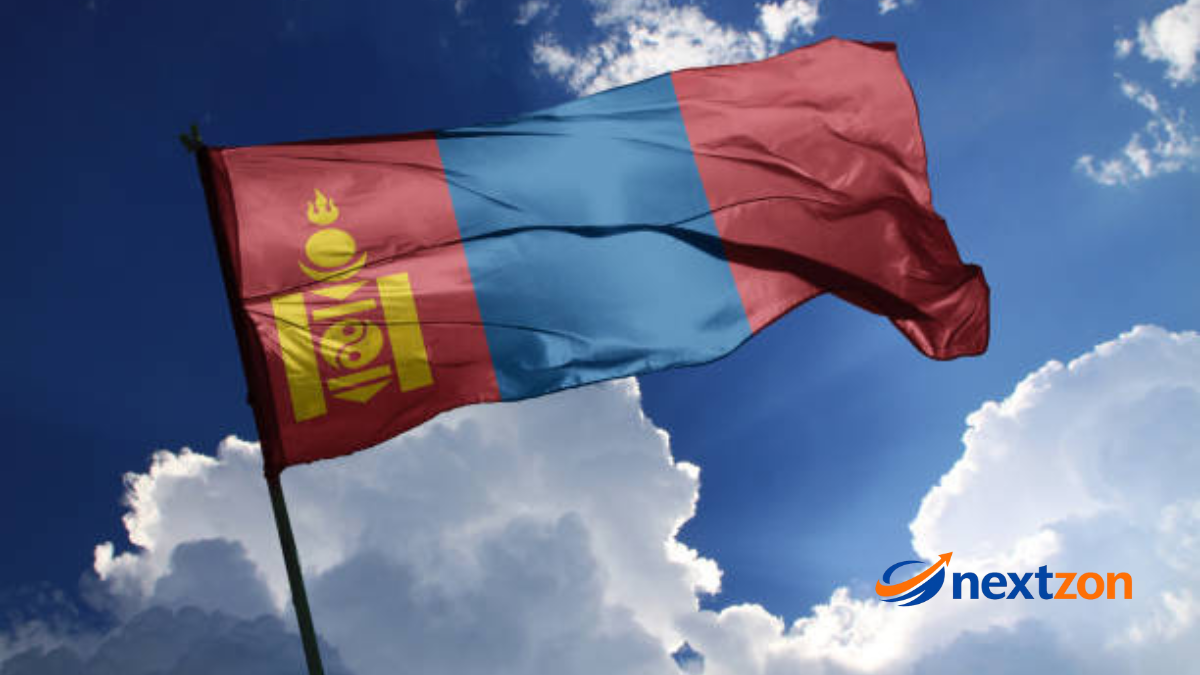
The mongolia flag is one of the most distinctive national symbols in Central Asia, instantly recognisable for its bold vertical red and blue stripes and the striking golden Soyombo emblem. More than a decorative banner, it represents the identity, sovereignty and historical continuity of Mongolia. The flag reflects the country’s nomadic heritage, spiritual traditions and the resilience of its people across centuries of political and social change.
Adopted in its present form in 1992, following Mongolia’s peaceful democratic transition, the mongolia flag maintains deep historical roots while symbolising modern independence. Its carefully balanced design captures both tradition and progress. For Mongolians, the flag is not merely flown on public buildings; it is displayed with pride during national celebrations, cultural festivals and international events, reinforcing a shared sense of belonging.
Historical Evolution of the Mongolia Flag
The story of the mongolia flag begins long before the creation of a modern nation-state. During the era of the powerful Mongol Empire, military standards and tribal banners were used rather than formal national flags. These early symbols represented authority and unity under leaders such as Genghis Khan, though they differed significantly from the modern design seen today.
In the twentieth century, Mongolia underwent dramatic political transformations that influenced the development of its national flag. During the socialist period, the design included a red star above the Soyombo symbol, reflecting ideological alignment. However, after democratic reforms in 1990, the star was removed. This revision created the contemporary mongolia flag, preserving tradition while signalling a new political era.
Design and Official Structure of the Mongolia Flag
The mongolia flag consists of three equal vertical stripes arranged in a red, blue and red pattern. The central blue stripe symbolises the eternal sky, while the red stripes on either side convey strength and prosperity. The flag follows an official proportion ratio of one to two, ensuring consistent reproduction across government buildings, schools and diplomatic institutions.
Positioned on the hoist side within the left red stripe is the Soyombo symbol, displayed in golden yellow. Its placement provides visual balance while emphasising national identity. The simplicity of the colour arrangement contrasts beautifully with the intricate emblem, giving the mongolia flag a distinctive appearance that stands apart from many other national flags.
Symbolism Behind the Colours
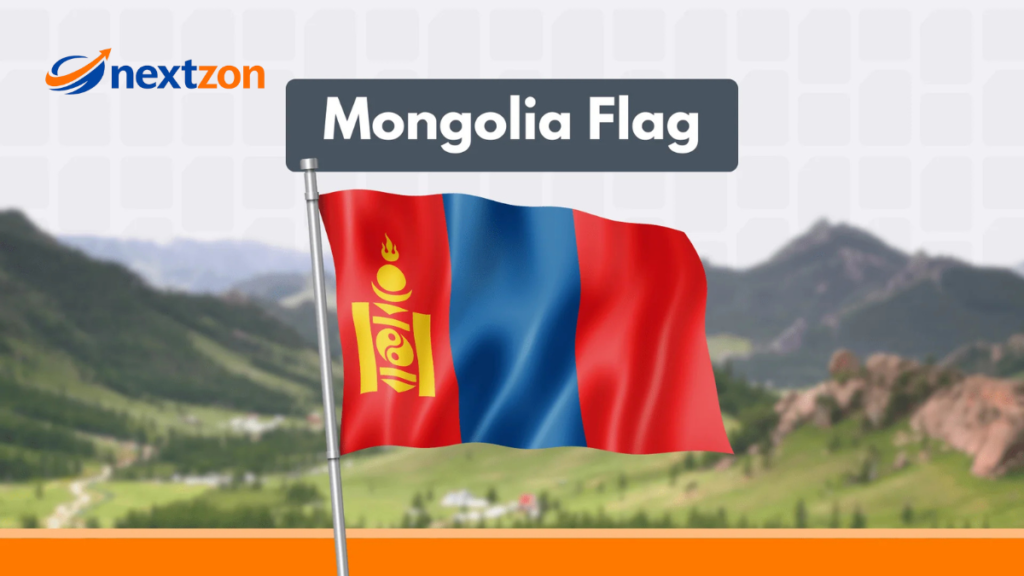
The colours of the mongolia flag carry profound cultural and philosophical meaning. Red traditionally represents resilience, bravery and the determination to flourish despite hardship. It reflects the enduring strength of the Mongolian people, who have historically thrived in challenging environments across the vast steppe landscapes.
Blue, occupying the central stripe, symbolises the eternal sky, known in Mongolian belief as “Tenger.” The sky holds spiritual significance in nomadic culture, representing harmony and divine guidance. Together, these colours ensure that the mongolia flag is not merely decorative but deeply expressive of national character and spiritual worldview.
The Meaning of the Soyombo Symbol
The Soyombo symbol is the heart of the mongolia flag and one of the country’s most recognisable cultural emblems. Created in the seventeenth century by the spiritual leader Zanabazar, the symbol contains layered elements that reflect protection, balance and eternity. Its complex design distinguishes Mongolia from nations that use simpler heraldic devices.
At the top of the Soyombo is a flame, representing growth and continuity across generations. Beneath it are the sun and moon, signifying eternal existence. Triangular shapes convey defence and strength, while rectangular bars symbolise honesty and fairness. The central yin-yang element expresses balance. Through this emblem, the mongolia flag communicates philosophical depth alongside national pride.
The Mongolia Flag in Modern Society
In modern Mongolia, the mongolia flag is prominently displayed during national ceremonies, including National Flag Day celebrations. It adorns government institutions, educational establishments and public squares, serving as a visible expression of sovereignty. Citizens treat the flag with respect, recognising its importance as a symbol of unity and independence.
Internationally, the mongolia flag represents the country at diplomatic gatherings and global organisations such as the United Nations. It is also flown during international sporting competitions, where it fosters pride among athletes and supporters alike. Through such appearances, the flag reinforces Mongolia’s identity on the world stage.
Differences from Historical Mongolian Flags
Although inspired by earlier traditions, the mongolia flag differs significantly from banners used during imperial times. The standards of the Mongol Empire were primarily military in nature and did not incorporate the Soyombo symbol. They focused more on authority and tribal unity than on national symbolism.
Similarly, the socialist-era design included a red star that reflected political ideology. Its removal in 1992 marked a symbolic shift towards democratic governance. These changes demonstrate how the mongolia flag has evolved in response to historical events while preserving key cultural elements that maintain continuity with the past.
Cultural Importance and National Identity
Beyond its political significance, the mongolia flag plays an essential role in cultural expression. It appears in traditional celebrations, artistic works and educational materials, reinforcing historical awareness among younger generations. The presence of the Soyombo symbol connects modern citizens with spiritual traditions that have shaped Mongolian society for centuries.
The flag also strengthens national cohesion by reminding citizens of shared heritage and collective values. In a rapidly changing world, the mongolia flag serves as a stable emblem of continuity. It embodies independence, unity and respect for tradition, ensuring that Mongolia’s identity remains visible both at home and abroad.
Conclusion
The mongolia flag stands as a vivid testament to Mongolia’s remarkable journey from imperial power to modern democratic nation. Its bold red and blue stripes, combined with the intricate Soyombo symbol, encapsulate centuries of resilience, belief and transformation. Every element of the design contributes to a deeper understanding of Mongolian history and values.
Today, the mongolia flag continues to inspire pride and unity among citizens while symbolising the nation’s presence internationally. By blending tradition with progress, it reflects both Mongolia’s heritage and its aspirations for the future, ensuring that this powerful emblem remains meaningful for generations to come.
Frequently asked questions
What does the Mongolia flag represent?
The mongolia flag represents national independence, unity, cultural heritage and the eternal blue sky of Mongolia.
What do the colours of the Mongolia flag mean?
Red symbolises strength and prosperity, while blue represents the eternal sky and spiritual harmony.
What is the symbol on the Mongolia flag called?
The emblem on the mongolia flag is called the Soyombo symbol.
When was the current Mongolia flag adopted?
The present version of the mongolia flag was officially adopted in 1992.
Did the Mongolia flag change after socialism ended?
Yes, the red socialist star was removed from the mongolia flag in 1992.
What are the official proportions of the Mongolia flag?
The mongolia flag follows an official one-to-two width-to-length ratio.
Is the Mongolia flag different from the Mongol Empire flag?
Yes, the Mongol Empire used military banners that were different from the modern mongolia flag.
Also Read: spencer macpherson movies and tv shows