
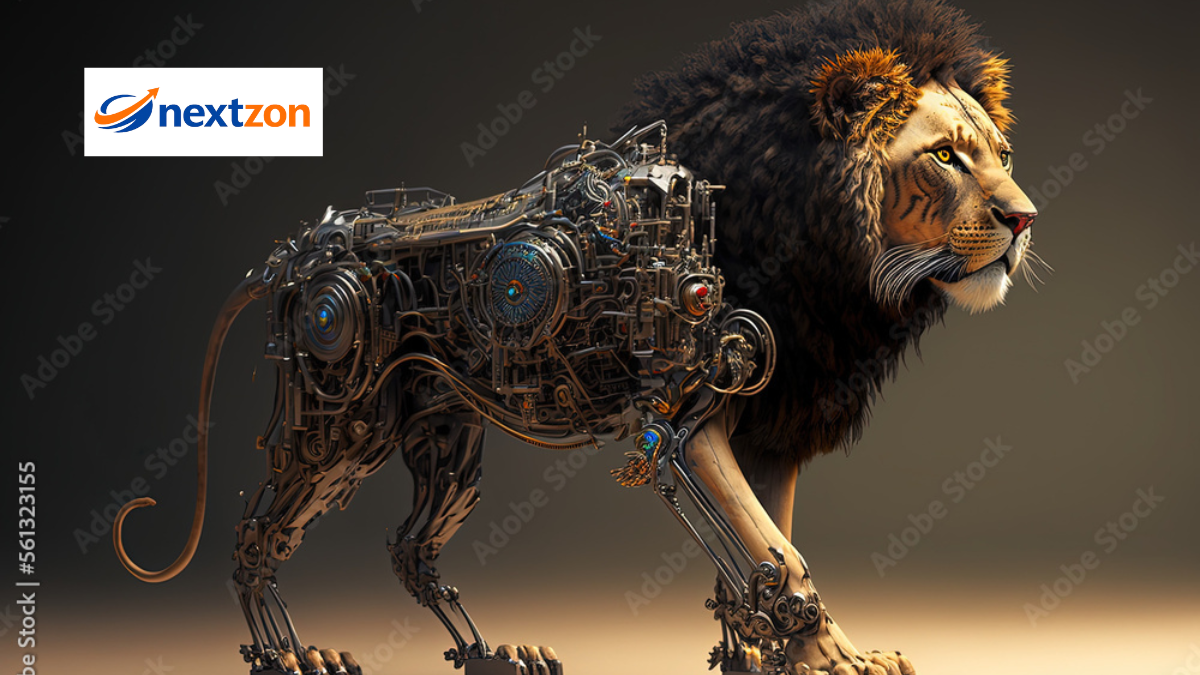
The lion ai robot rapid advancement of artificial intelligence has transformed the way humans interact with machines, and one of the most exciting developments in this field is the emergence of the Lion AI Robot. This next-generation robotic system represents a powerful blend of intelligence, adaptability, and efficiency, designed to perform complex tasks with minimal human intervention. Inspired by the strength and leadership qualities of a lion, this concept symbolizes dominance in the robotics world—combining raw computational power with intelligent decision-making.
In today’s fast-paced digital era, businesses and individuals are increasingly relying on AI-powered solutions to improve productivity and reduce operational costs. Lion AI Robots stand out because they are not just machines performing pre-programmed tasks; they are intelligent systems capable of learning, adapting, and evolving over time. From factories to homes, their presence is becoming more noticeable, marking a shift toward a more automated and intelligent future.
Understanding Lion AI Robot Technology
The Lion AI Robot is more than just a traditional robot—it is an intelligent system built on advanced technologies such as artificial intelligence, machine learning, and real-time data processing. These robots are designed to mimic cognitive functions similar to human thinking, allowing them to analyze situations, make decisions, and execute tasks efficiently. The “lion” aspect symbolizes strength, leadership, and intelligence, positioning these robots as dominant players in the AI ecosystem.
At the core of Lion AI Robot technology lies a combination of machine learning algorithms, computer vision, and natural language processing. Machine learning enables the robot to learn from past experiences and improve performance over time. Computer vision allows it to interpret visual data, recognize objects, and navigate environments, while natural language processing helps it understand and respond to human communication. These integrated systems make Lion AI Robots highly versatile and capable of performing a wide range of tasks.
Another key aspect is how these robots function in real-world scenarios. They continuously collect data through sensors, process it using AI models, and make intelligent decisions based on that information. This ability to adapt to dynamic environments sets them apart from traditional automation systems, making them ideal for industries that require flexibility and precision.
Key Features of Lion AI Robots
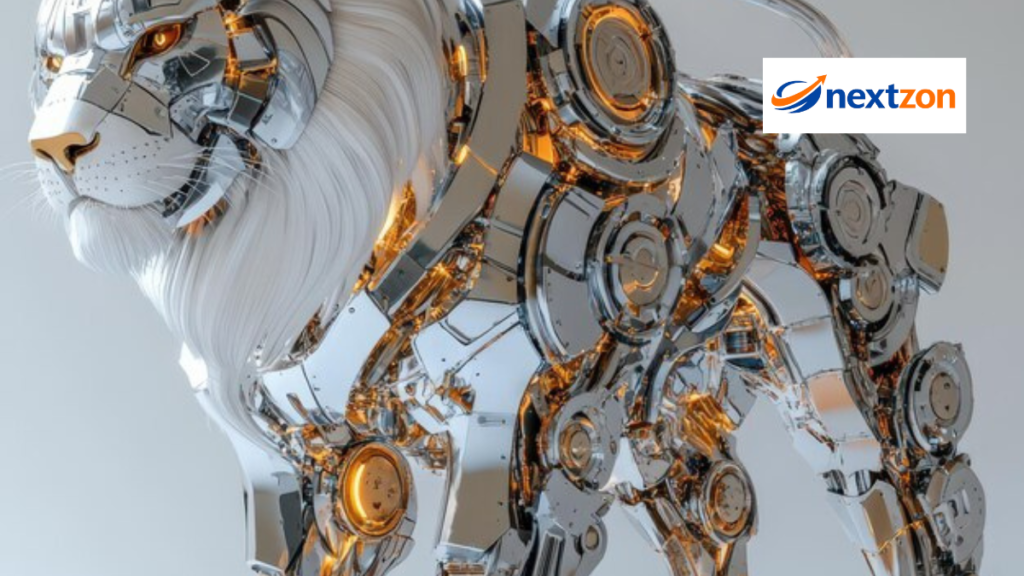
One of the most impressive features of Lion AI Robots is their ability to make intelligent decisions in real time. Unlike basic robots that follow fixed instructions, these advanced systems analyze data and respond to changing conditions instantly. This makes them highly effective in environments where quick thinking and adaptability are essential, such as healthcare or security operations.
Another notable feature is their advanced mobility and structural design. Lion AI Robots are often built with flexible movement systems that allow them to navigate complex terrains, avoid obstacles, and perform tasks with precision. Their design focuses on durability and efficiency, ensuring they can operate continuously without frequent maintenance or breakdowns. This makes them suitable for both industrial and outdoor applications.
Human-robot interaction is also a defining characteristic of Lion AI Robots. Equipped with voice recognition and emotional AI capabilities, they can communicate with humans in a more natural and intuitive way. This enhances user experience and makes them more accessible for everyday use. Additionally, their ability to automate repetitive tasks significantly increases efficiency, reduces human error, and frees up time for more strategic activities.
Applications of Lion AI Robots
Lion AI Robots are being widely adopted across various industries due to their versatility and efficiency. In the manufacturing sector, they play a crucial role in automating assembly lines, improving quality control, and reducing production time. Their precision and consistency make them invaluable in environments where accuracy is critical.
In the healthcare industry, Lion AI Robots are revolutionizing patient care and medical procedures. They assist in surgeries, monitor patient health, and even provide companionship to individuals in need. Their ability to analyze medical data quickly and accurately helps healthcare professionals make better decisions, ultimately improving patient outcomes.
The use of Lion AI Robots in military and security applications is also expanding. These robots are deployed for surveillance, reconnaissance, and handling dangerous missions that would otherwise put human lives at risk. In addition, they are increasingly being used in homes as personal assistants, managing daily tasks, controlling smart devices, and enhancing convenience for users.
Benefits of Lion AI Robots
One of the primary benefits of Lion AI Robots is their ability to significantly boost productivity. By operating continuously without fatigue, they can complete tasks faster and more efficiently than humans. This makes them an ideal solution for businesses looking to scale operations and improve output without increasing labor costs.
Cost efficiency is another major advantage. Although the initial investment in Lion AI Robots can be high, the long-term savings are substantial. These robots reduce the need for manual labor, minimize errors, and lower operational costs over time. This makes them a smart investment for companies aiming for sustainable growth.
Safety and precision are also key benefits. Lion AI Robots can perform hazardous tasks in environments that are unsafe for humans, such as handling toxic materials or working in extreme conditions. Their high level of accuracy ensures consistent results, making them essential in industries where even minor errors can have serious consequences.
Challenges and Limitations
Despite their numerous advantages, Lion AI Robots also face certain challenges. One of the biggest obstacles is the high cost of development and implementation. Building advanced AI systems requires significant investment in technology, infrastructure, and skilled professionals, which can be a barrier for smaller organizations.
Ethical concerns are another important issue. The increasing use of AI robots raises questions about job displacement and the role of humans in the workforce. While these robots create new opportunities in the tech sector, they also replace certain manual jobs, leading to concerns about unemployment and economic imbalance.
Technical limitations and security risks also need to be addressed. Lion AI Robots rely heavily on data, and any issues with data quality can affect their performance. Additionally, as connected systems, they are vulnerable to cybersecurity threats, making it essential to implement strong security measures to protect sensitive information.
Future of Lion AI Robots
The future of Lion AI Robots looks incredibly promising as technology continues to evolve. Emerging trends such as integration with the Internet of Things (IoT) are enabling these robots to become more connected and intelligent. This allows them to interact seamlessly with other devices and systems, creating a more efficient and automated ecosystem.
In the context of smart cities, Lion AI Robots are expected to play a significant role in managing infrastructure, traffic, and public services. Their ability to analyze large amounts of data in real time makes them valuable tools for improving urban living and sustainability.
Advancements in AI capabilities are also pushing the boundaries of what these robots can achieve. From self-learning systems to emotional intelligence, the next generation of Lion AI Robots will be even more sophisticated and human-like. As demand continues to grow, their presence will expand across industries, shaping the future of work and daily life.
Conclusion
Lion AI Robots represent a powerful step forward in the evolution of artificial intelligence and robotics. Their ability to combine intelligence, efficiency, and adaptability makes them a transformative force across multiple industries. From improving productivity to enhancing safety, their impact is undeniable.
As technology advances, these robots will become more accessible and integrated into everyday life. While challenges such as cost and ethical concerns remain, the potential benefits far outweigh the limitations. The Lion AI Robot is not just a concept—it is a glimpse into the future of intelligent automation.
Frequently Asked Questions
What is a Lion AI Robot?
A Lion AI Robot is an advanced robotic system powered by artificial intelligence, capable of learning, decision-making, and automation.
Where are Lion AI Robots used?
They are used in industries like manufacturing, healthcare, security, education, and smart homes.
Are Lion AI Robots expensive?
Yes, they require a high initial investment but offer long-term cost savings.
Can Lion AI Robots replace human jobs?
They automate repetitive tasks but also create new opportunities in AI and technology sectors.
What is the future of Lion AI Robots?
They will become more intelligent, autonomous, and widely used across industries.
Are Lion AI Robots safe?
Yes, when designed with proper safety measures, they enhance safety in various environments.
How do Lion AI Robots learn?
They use machine learning algorithms and data analysis to improve performance over time.
Also Read: joan collins net worth