
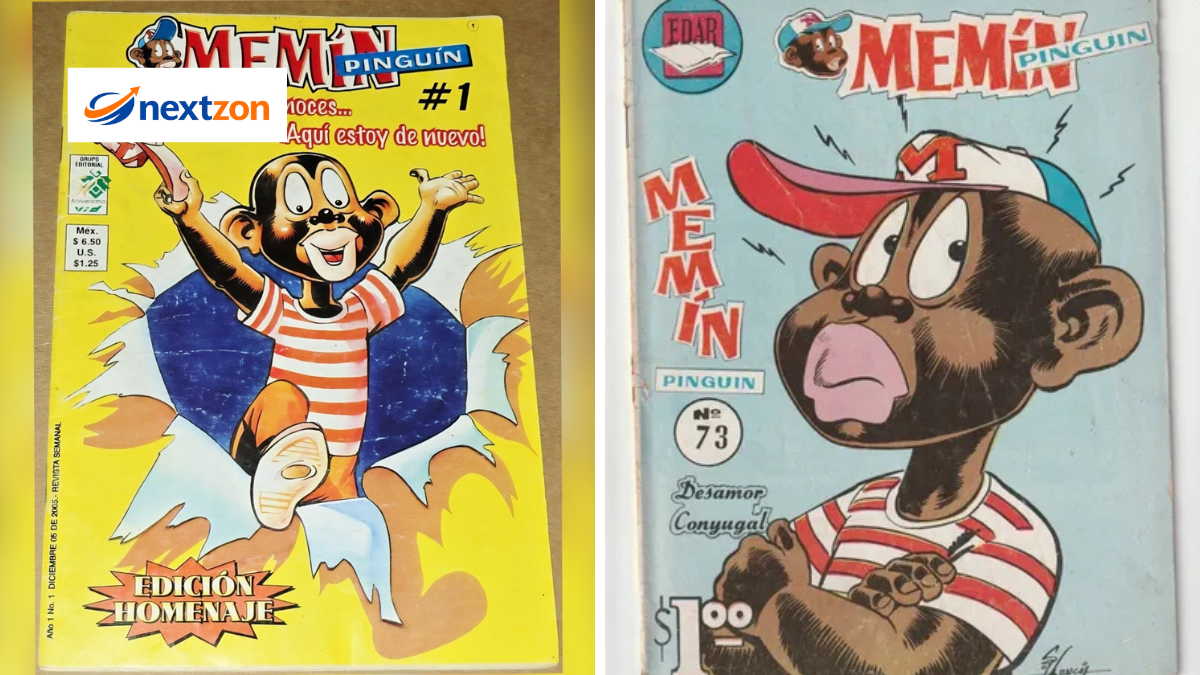
Memin Pinguin is one of the most iconic and enduring characters in Mexican comic history. Created in 1943 by the renowned writer Yolanda Vargas Dulché, this character quickly became a household name. Memin Pinguin’s stories revolve around the life of an Afro-Mexican boy navigating childhood challenges, friendships, and family life. The comic combines humour, moral lessons, and social commentary, making it both entertaining and culturally significant for readers of all ages.
Over the decades, Memin Pinguin has remained relevant due to its universal themes and relatable storytelling. His adventures depict everyday struggles and victories that resonate with audiences even today. The character’s charm and heartwarming personality have ensured his place as a beloved figure in Mexican pop culture, inspiring adaptations, merchandise, and ongoing discussions about culture and representation.
Introduction to Memin Pinguin
Memin Pinguin is more than a simple comic character; he is a cultural icon whose influence extends beyond literature. The stories highlight social themes such as family bonds, friendship, poverty, and resilience. Memin Pinguin provides readers with a window into Mexican society while simultaneously teaching life lessons about kindness, honesty, and perseverance. His experiences reflect the realities many children face, making him a character that resonates across generations.
In addition to the comic’s popularity, Memin Pinguin has been referenced in various forms of media, from television shows to museum exhibits. Schools and cultural institutions use his stories to teach values and social awareness, demonstrating the educational potential of the comic. Memin Pinguin continues to spark interest in Mexico and internationally, cementing his role as a meaningful cultural and artistic symbol.
Origins and Creation of Memin Pinguin
Memin Pinguin was created by Yolanda Vargas Dulché in the early 1940s, during a time when Mexican comics were gaining widespread popularity. Dulché aimed to craft a character who would reflect the challenges and hopes of everyday children while offering moral guidance. Memin Pinguin quickly captured readers’ imaginations with his humour, intelligence, and compassionate nature.
The original illustrations were done by Alberto Cabrera, whose artistic style helped establish Memin Pinguin’s distinctive look. Over time, Sixto Valencia Burgos took over the artwork, refining the character’s appearance while preserving his iconic identity. This visual evolution kept Memin Pinguin fresh and engaging for readers while maintaining the essence of the original character.
Storyline and Character Overview
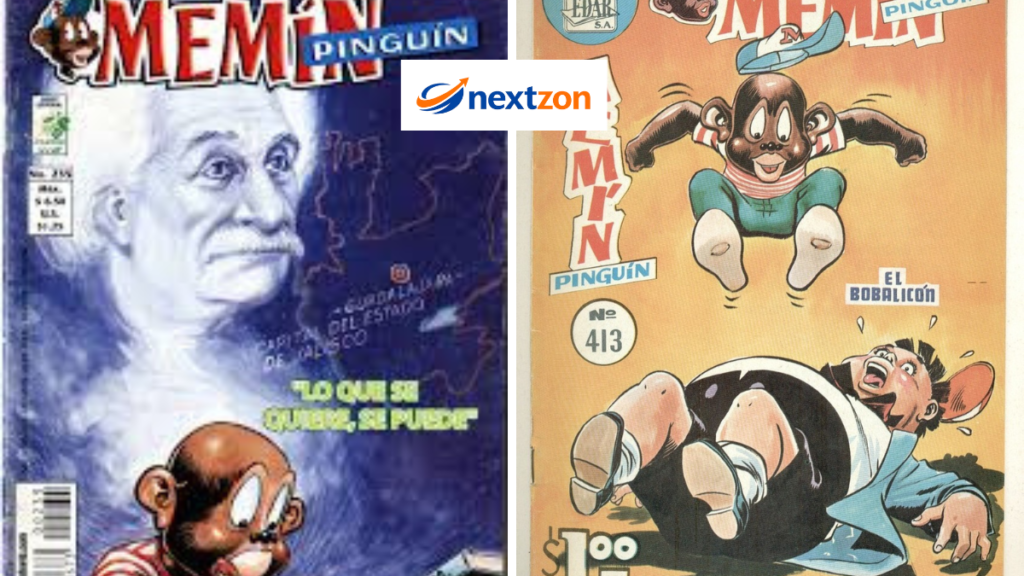
The story of Memin Pinguin centres on a young Afro-Mexican boy navigating life in a challenging environment. Memin Pinguin faces financial struggles, school challenges, and familial responsibilities, yet he approaches each obstacle with determination and optimism. His character embodies qualities such as loyalty, bravery, and kindness, making him a role model for young readers.
Supporting characters, including his mother and friends, provide depth and perspective to Memin Pinguin’s adventures. These relationships emphasise the importance of family, friendship, and community. Through his experiences, Memin Pinguin teaches valuable lessons about empathy, cooperation, and moral decision-making, making the comic both entertaining and meaningful.
Cultural Impact in Mexico and Beyond
Memin Pinguin has had a profound cultural impact in Mexico since his creation. The comic became a symbol of childhood nostalgia and social consciousness, appealing to readers from diverse backgrounds. Memin Pinguin’s stories often reflected social realities, helping readers develop empathy and understanding for others. The character’s enduring popularity has made him a cultural reference point in literature, education, and popular culture.
Beyond Mexico, Memin Pinguin has sparked debates about racial representation and cultural sensitivity. Some critics have questioned the depiction of certain features, while many supporters highlight the comic’s positive values and historical significance. Memin Pinguin remains a powerful example of how comics can both entertain and educate, inspiring conversations about identity, society, and artistic expression.
Memin Pinguin in Modern Media
Today, Memin Pinguin continues to captivate audiences through reprints, digital editions, and collectible merchandise. Special editions of the comic are widely available, allowing new generations of readers to experience his adventures. Memin Pinguin’s presence in media has helped maintain his relevance, ensuring that the character remains an important part of Mexico’s cultural landscape.
Additionally, Memin Pinguin has been referenced in academic and educational contexts. Schools and museums use his stories to explore topics such as history, social values, and diversity. The character’s influence extends beyond entertainment, making Memin Pinguin a tool for learning, cultural reflection, and artistic appreciation.
Controversies and Social Discussions
Memin Pinguin has occasionally been the subject of controversy due to racial stereotyping in his depiction. Some critics argue that certain visual features perpetuate outdated notions, while others defend the comic as a product of its historical context. These debates have made Memin Pinguin a topic of scholarly and cultural discussion, highlighting the challenges of representation in media.
Despite these discussions, Memin Pinguin’s positive traits and educational value continue to outweigh criticisms. His stories encourage readers to understand adversity, practice empathy, and uphold moral values. By sparking dialogue, Memin Pinguin demonstrates the potential of literature and comics to engage with complex social issues in meaningful ways.
Legacy and Enduring Popularity
The legacy of Memin Pinguin endures through continued readership, media adaptations, and cultural recognition. The character has influenced generations of comic artists, inspiring creativity and innovation. Memin Pinguin is remembered not just for entertainment but also for his contribution to cultural identity and social awareness.
Even decades after his creation, Memin Pinguin remains relevant, demonstrating how a well-crafted character can transcend time and geography. The comic’s messages of resilience, friendship, and compassion continue to resonate, ensuring that Memin Pinguin will be celebrated for generations to come as an essential figure in Mexican cultural history.
Conclusion
Memin Pinguin is a timeless symbol of Mexican culture, blending humour, morality, and social commentary. From his creation by Yolanda Vargas Dulché to modern adaptations and reprints, Memin Pinguin has captivated audiences for nearly a century. His adventures offer lessons in empathy, perseverance, and community, making him both entertaining and educational. The comic’s enduring popularity demonstrates the power of storytelling to inspire, educate, and celebrate cultural heritage.
Frequently Asked Questions
Who created Memin Pinguin and when?
Memin Pinguin was created by Yolanda Vargas Dulché in 1943.
What is the storyline of Memin Pinguin?
It follows an Afro-Mexican boy navigating childhood challenges, family life, and friendships with courage and optimism.
Why is Memin Pinguin culturally significant in Mexico?
Memin Pinguin reflects Mexican social values, childhood experiences, and moral lessons, making him a cultural icon.
Are there controversies surrounding Memin Pinguin?
Yes, some critics have debated racial stereotyping in the character’s portrayal, though many praise its cultural and educational value.
Is Memin Pinguin still published today?
Yes, the comic is available in reprints, special editions, and digital formats for modern readers.
What lessons can readers learn from Memin Pinguin?
Readers learn about empathy, resilience, friendship, and moral responsibility through his stories.
How has Memin Pinguin influenced Mexican comics and culture?
Memin Pinguin inspired generations of comic artists and remains a symbol of cultural identity and storytelling in Mexico.
Also Read: oregon flag