
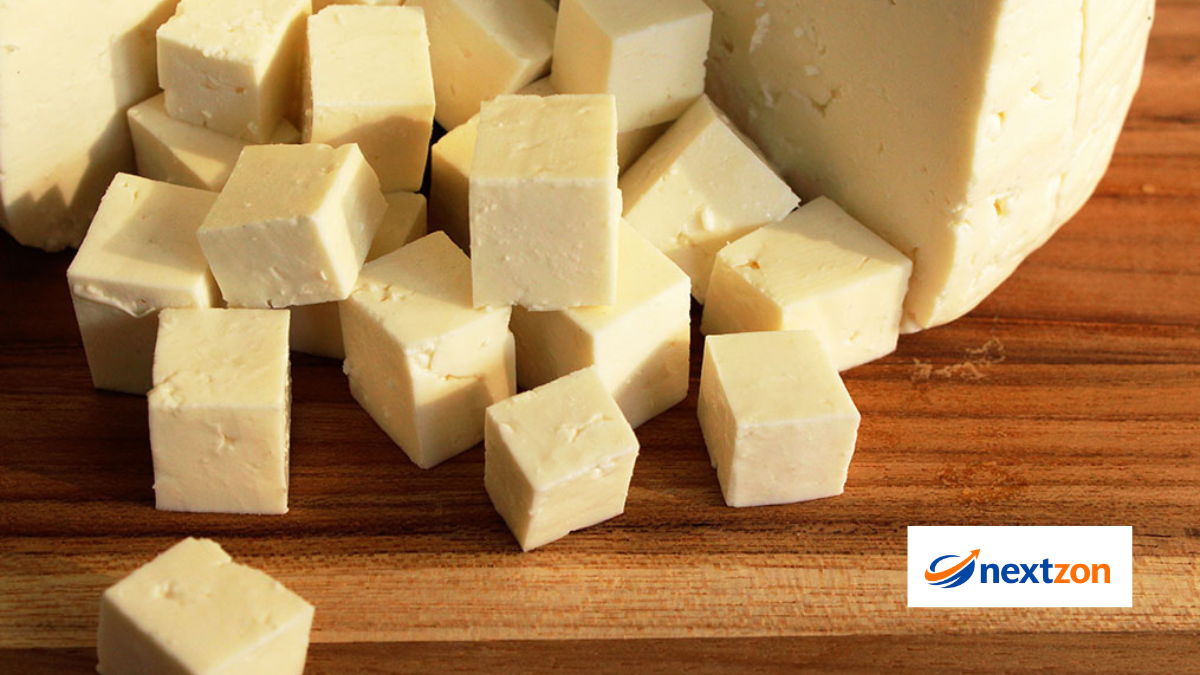
Panela cheese is a fresh, white Mexican cheese that has steadily gained popularity among UK food enthusiasts seeking lighter and more versatile dairy options. Known for its mild flavour and firm yet tender texture, it offers something distinct from traditional British cheeses such as Cheddar or Red Leicester. Its ability to hold its shape under heat makes it especially attractive for modern home cooking.
In recent years, panela cheese has appeared more frequently in international aisles of UK supermarkets and specialist Latin food shops. As consumers become more adventurous in their culinary choices, this adaptable cheese has found a place in salads, wraps, and vegetarian dishes. Its subtle taste and impressive cooking performance make it a practical and delicious addition to everyday meals.
What Is Panela Cheese
Panela cheese, sometimes referred to as queso panela or basket cheese, is made from pasteurised cow’s milk and traditionally originates from Mexico. It is a fresh cheese, meaning it is not aged for long periods. This production style helps it retain moisture, giving it a soft yet sliceable consistency that distinguishes it from crumbly varieties.
The cheese is often moulded in woven baskets, which create a distinctive pattern on its surface. Its flavour is clean, slightly salty, and gently milky, making it suitable for a wide range of dishes. Unlike many European cheeses, panela cheese does not melt into a sauce when heated, instead softening while maintaining its structure.
Nutritional Profile of Panela Cheese
One of the key reasons panela cheese is gaining recognition is its favourable nutritional profile. Compared with many aged cheeses, it is generally lower in fat while still providing a solid amount of protein. This balance makes it appealing to those seeking healthier alternatives without sacrificing flavour or satisfaction.
A standard serving of panela cheese supplies calcium, which supports bone health, alongside essential nutrients found in dairy products. Because it is fresh and minimally processed, it often contains fewer additives. While it should still be enjoyed in moderation, it can fit comfortably into a balanced UK diet focused on wholesome, nutrient-rich foods.
How Panela Cheese Is Made
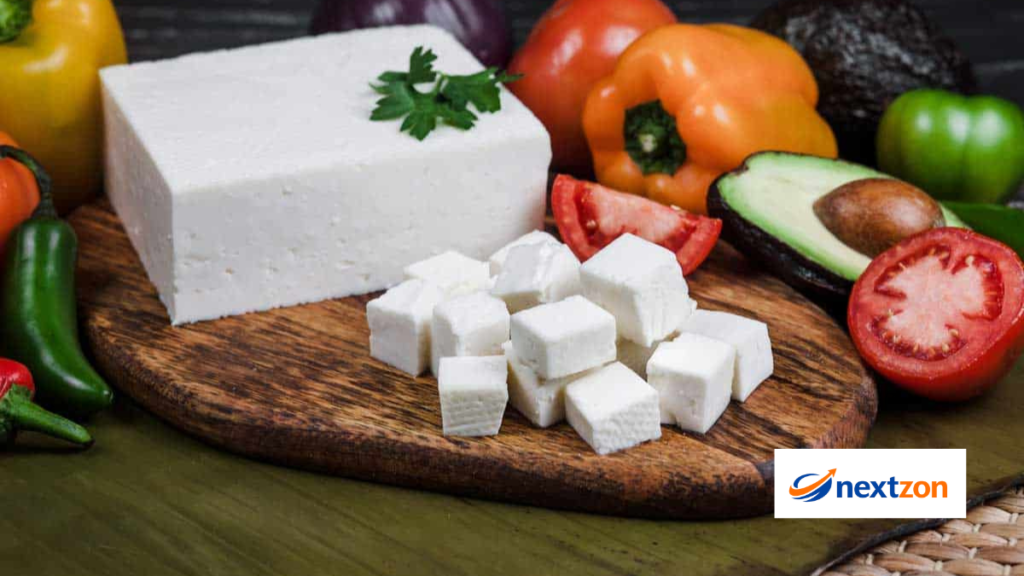
The process of making panela cheese begins with heating pasteurised cow’s milk and adding a curdling agent to separate the curds from the whey. Once formed, the curds are gently drained and placed into moulds. Traditionally, these moulds are woven baskets, which give the cheese its characteristic ridged appearance.
Unlike aged cheeses that require months of maturation, panela cheese is ready to eat shortly after production. This quick preparation preserves its soft texture and mild flavour. The absence of extensive ageing also explains why it behaves differently under heat, remaining intact rather than melting completely.
Panela Cheese Compared to Other Cheeses
Panela cheese is often compared with queso fresco, paneer, and halloumi because of its firm texture and cooking versatility. However, it is less crumbly than queso fresco and slightly softer than paneer. While paneer is widely used in Indian cuisine, panela cheese offers a saltier and more delicate flavour profile.
When placed alongside halloumi, the differences become even clearer. Halloumi is typically much saltier and has a denser, squeakier texture. In contrast, panela cheese delivers a lighter taste and a more tender bite. These distinctions make it particularly appealing for those who prefer subtle flavours that complement rather than dominate a dish.
Culinary Uses of Panela Cheese
One of the most celebrated qualities of panela cheese is its ability to hold its shape when grilled or fried. When heated in a pan, it develops a golden crust while remaining soft inside. This makes it ideal for vegetarian tacos, flatbreads, and warm salads where texture plays an important role.
Beyond hot dishes, panela cheese works beautifully in cold preparations. It can be cubed into fresh green salads, layered into sandwiches, or served with sliced fruit and a drizzle of honey. Its mild flavour allows bold herbs, spices, and dressings to shine, making it a flexible ingredient for creative cooking in UK kitchens.
Popular Recipes Featuring Panela Cheese
A simple grilled panela cheese dish with olive oil, garlic, and fresh herbs offers an easy yet impressive starter. The exterior becomes lightly crisp, while the interior remains tender and moist. Served with crusty bread or roasted vegetables, it creates a satisfying combination of textures and flavours.
Pan-fried slices wrapped in warm tortillas with salsa and avocado are another popular preparation. Baked variations with tomatoes, peppers, and a sprinkle of chilli flakes also showcase its versatility. These recipes highlight how panela cheese can transform simple ingredients into vibrant, flavourful meals suitable for both weekday dinners and weekend gatherings.
Buying and Storing Panela Cheese in the UK
In the UK, panela cheese can be found in larger supermarkets that stock international foods, as well as in specialist Latin American grocery shops. Online retailers have also made it more accessible, allowing home cooks across the country to experiment with this fresh cheese without difficulty.
Once purchased, it should be kept refrigerated and stored in an airtight container. Because it is a fresh product, it is best consumed within a few days of opening. Freezing is generally not recommended, as it can alter the texture and reduce the pleasant firmness that makes panela cheese so distinctive.
Why Panela Cheese Is Growing in Popularity
The rise of global cuisine in the UK has encouraged many households to explore ingredients beyond traditional staples. Panela cheese fits perfectly into this trend, offering a healthier, protein-rich option that adapts easily to contemporary cooking styles. Its ability to be grilled without melting appeals strongly to vegetarian and flexitarian consumers.
Moreover, its mild flavour makes it accessible to those who may not enjoy stronger cheeses. As awareness continues to grow, panela cheese is likely to become a regular feature in British kitchens. Its combination of practicality, nutrition, and versatility ensures it will remain a valued addition to modern culinary repertoires.
Conclusion
Panela cheese stands out as a fresh, adaptable, and nutritious option that bridges traditional Mexican cuisine and modern UK cooking. With its mild taste, firm texture, and unique non-melting quality, it offers endless possibilities for both simple and inventive dishes.
Whether grilled, baked, or served fresh, panela cheese provides a balanced blend of flavour and function. As more people discover its benefits and versatility, it is set to become a staple ingredient for home cooks seeking something both wholesome and exciting in their everyday meals.
Frequently Asked Questions
What is panela cheese?
Panela cheese is a fresh Mexican cow’s milk cheese known for its mild flavour and firm, non-melting texture.
Does panela cheese melt when heated?
No, panela cheese softens when heated but keeps its shape instead of melting completely.
Is panela cheese healthy?
Yes, panela cheese is relatively low in fat and high in protein compared to many aged cheeses.
What does panela cheese taste like?
Panela cheese has a mild, slightly salty, and fresh milky flavour.
Can you grill panela cheese?
Yes, panela cheese is excellent for grilling because it holds its shape and forms a golden crust.
Is panela cheese the same as paneer?
No, although similar in texture, panela cheese is saltier and has a softer bite than paneer.
Where can I buy panela cheese in the UK?
Panela cheese is available in large supermarkets with international sections and in Latin American speciality stores.
Can you freeze panela cheese?
Freezing is not recommended as it can change the texture and reduce its firmness.
Also Read: kent island resort