
american tanks in ww1 World War I marked a turning point in military history, introducing new technologies that forever changed the nature of warfare. Among these innovations, the tank emerged as a revolutionary weapon designed to overcome the brutal stalemate of trench warfare. As European armies struggled to break through fortified enemy lines, the development of armored vehicles offered a new way to traverse barbed wire, withstand machine-gun fire, and support infantry advances across devastated landscapes.
The United States entered the war relatively late in 1917, at a time when tanks had already begun to prove their worth on the battlefield.american tanks in ww1 Although America did not initially possess a strong tank manufacturing capability, it quickly recognized the importance of armored warfare. By studying Allied designs and collaborating closely with European partners, the U.S. laid the groundwork for its own armored forces, setting the stage for future military innovation.
This article explores the origins, development, and combat role of American tanks in World War I.american tanks in ww1 It highlights key vehicles, organizational efforts, battlefield contributions, and the lasting legacy of these early machines. Understanding this history provides valuable insight into how modern armored warfare evolved from these humble beginnings.
The Birth of Tank Warfare in World War I
The concept of the tank was born out of necessity as World War I devolved into a deadly stalemate american tanks in ww1. Trench warfare dominated the Western Front, with soldiers entrenched behind layers of barbed wire, machine guns, and artillery defenses. Traditional infantry assaults often resulted in massive casualties without significant territorial gains. Military planners urgently needed a solution capable of breaking through these defensive barriers.
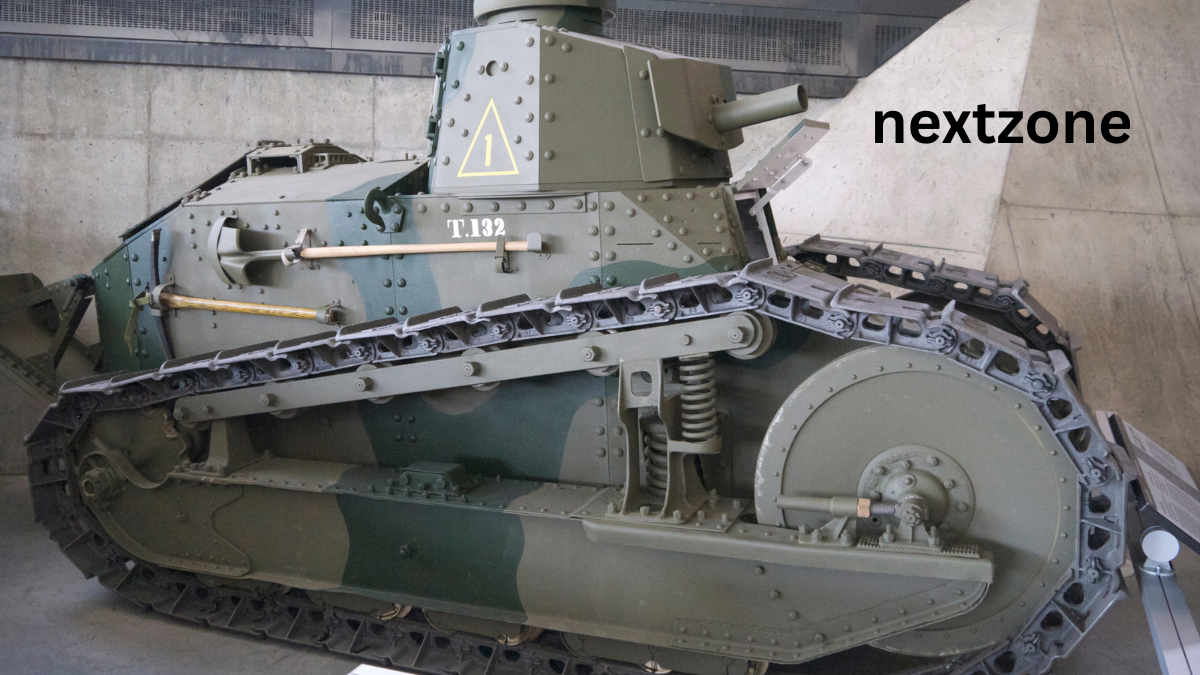
Britain and France led the charge in developing early tanks, introducing armored vehicles that could cross trenches and protect crews from small arms fire. The British Mark I tank, deployed in 1916, was among the first to see combat, while the French Renault FT introduced a revolutionary rotating turret design.american tanks in ww1 Despite their innovative nature, these early tanks were far from perfect, often suffering from mechanical breakdowns, slow speeds, and limited reliability.
Nevertheless, the psychological impact of tanks on the battlefield was immense. Their ability to advance under fire and disrupt enemy positions changed how battles were fought. The United States, observing these developments, recognized the potential of tanks and began preparing to incorporate them into its own military strategy.american tanks in ww1 This marked the beginning of America’s journey into armored warfare.
The United States Enters the Tank War
american tanks in ww1 When the United States declared war in 1917, it faced the challenge of rapidly modernizing its military to match the technological advancements already in use by European armies.american tanks in ww1 Tanks were a critical component of this modernization effort, but the U.S. lacked both the experience and industrial capacity to produce effective armored vehicles at scale.
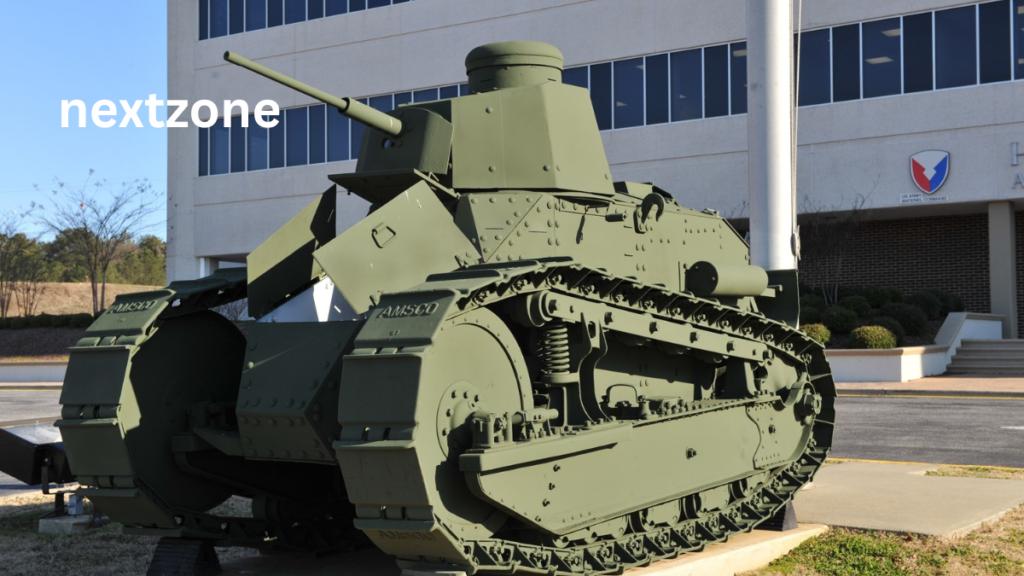
To overcome this limitation, the United States collaborated closely with its Allies, particularly France. american tanks in ww1 troops trained on French tanks, and many U.S. units were equipped with French-made Renault FT tanks. This partnership allowed American forces to quickly gain hands-on experience with tank operations, even before domestic production could catch up.
The establishment of the U.S. Tank Corps was a significant step in formalizing America’s armored capabilities. Under the leadership of forward-thinking officers, the Tank Corps focused on training, coordination, and integration with infantry units. This early investment in organization and doctrine would prove crucial in ensuring that American tanks could be effectively deployed on the battlefield.
Development of American Tanks in WW1
The development of american tanks in ww1 during World War I was shaped by both urgency and collaboration. Initially, the United States relied heavily on Allied designs, particularly the French Renault FT, which became the backbone of American tank units. This light tank featured a fully rotating turret, setting a standard for future tank designs and offering improved flexibility in combat.
At the same time, american tanks in ww1 engineers worked to develop their own tank models. The most notable of these was the Mark VIII Liberty Tank, a joint project between the United States and Britain. Designed to be larger and more powerful than earlier tanks, the Mark VIII incorporated lessons learned from previous designs, including improved armor, better crew conditions, and enhanced firepower.
However, production challenges limited the impact of domestically produced tanks during the war. Industrial bottlenecks, logistical issues, and the relatively short timeframe between american tanks in ww1 entry into the war and its conclusion meant that many of these tanks did not see combat. Despite these setbacks, the experience gained during this period laid the foundation for future advancements in U.S. tank development.
Key American Tanks Used in WW1
Renault FT (Used by U.S. Forces)
The Renault FT was arguably the most influential tank used by american tanks in ww1 forces during World War I. Lightweight and highly maneuverable, it was designed with a rotating turret that allowed for greater flexibility in targeting enemies. This innovation became a defining feature of modern tanks, demonstrating the effectiveness of combining mobility with firepower.
american tanks in ww1 troops quickly adapted to the Renault FT, using it in various operations to support infantry advances. Its relatively small size made it easier to transport and deploy, while its design allowed it to navigate difficult terrain more effectively than earlier tanks. Although it had limitations, such as thin armor and limited firepower, it proved to be a valuable asset in combat.
Mark VIII Liberty Tank
The Mark VIII Liberty Tank represented a significant step forward in tank design.american tanks in ww1 Developed jointly by the United States and Britain, it was intended to be a heavy tank capable of breaking through heavily fortified enemy positions. With improved armor and a more powerful engine, it addressed many of the shortcomings of earlier models.
Despite its promising design,american tanks in ww1 the Mark VIII saw limited action during the war due to production delays. Most units were completed after the armistice, preventing them from being deployed in combat. However, the knowledge gained from its development influenced future tank designs and demonstrated the potential of international collaboration in military innovation.
Organization of the U.S. Tank Corps
The U.S. Tank Corps played a crucial role in integrating tanks into american tanks in ww1 military operations. Established during the war, it was responsible for training crews, developing tactics, and coordinating with other branches of the military. Its formation marked the beginning of a dedicated armored force within the U.S. Army.
Training was a key focus for the Tank Corps, as operating early tanks required specialized skills. Crews had to learn how to navigate difficult terrain, maintain complex machinery, and coordinate with infantry units under combat conditions. This emphasis on training helped ensure that American tank units could operate effectively despite the challenges they faced.
Leadership within the Tank Corps also played an important role in its success. Officers recognized the importance of combining tanks with other military assets, such as artillery and infantry, to maximize their effectiveness. This integrated approach to warfare became a cornerstone of modern military strategy.
Combat Role of American Tanks in WW1
American tanks saw action in several key battles during World War I, including the Meuse-Argonne Offensive. In these engagements, tanks were used to support infantry advances, break through enemy defenses, and create opportunities for further progress. Their presence on the battlefield often provided a significant morale boost to Allied troops.
The use of tanks required careful coordination with other units. Infantry relied on tanks to clear obstacles and suppress enemy fire, while tanks depended on infantry for protection against close-range threats. This symbiotic relationship highlighted the importance of combined arms tactics in modern warfare.
Despite their successes, American tanks also faced numerous challenges in combat. Mechanical failures, difficult terrain, and limited numbers often restricted their effectiveness. However, even with these limitations, they demonstrated the potential of armored warfare and contributed to the overall success of Allied operations.
Strengths and Weaknesses of American Tanks
American tanks in World War I offered several advantages that made them valuable on the battlefield. Their ability to traverse difficult terrain, withstand enemy fire, and support infantry operations provided a significant tactical advantage. Additionally, their psychological impact on enemy troops often led to confusion and retreat.
However, these early tanks were far from perfect. Mechanical reliability was a major issue, with frequent breakdowns limiting their operational effectiveness. Their slow speeds and limited range also made them vulnerable in certain situations, particularly when separated from supporting units.
Terrain posed another significant challenge, as muddy and uneven ground could hinder tank movement. Maintenance requirements were high, and keeping tanks operational in the harsh conditions of the battlefield was a constant struggle. Despite these weaknesses, the lessons learned from these early machines were invaluable in shaping future tank designs.
Impact of American Tanks on WW1
The introduction of American tanks, even in limited numbers, had a meaningful impact on World War I. They contributed to breaking the deadlock of trench warfare and demonstrated the effectiveness of mechanized combat. Their presence reinforced the importance of innovation in achieving military success.
American involvement in tank warfare also helped strengthen cooperation among Allied forces. By working closely with Britain and France, the United States gained valuable experience and insights that would influence its future military strategies. This collaboration highlighted the importance of shared knowledge in advancing technology.
The experience of using tanks during World War I also paved the way for significant advancements in armored warfare. Lessons learned from early designs and battlefield performance informed the development of more advanced tanks in the years that followed, ultimately shaping the course of future conflicts.
Legacy of American Tanks in WW1
The legacy of American tanks in World War I extends far beyond the conflict itself. The lessons learned during this period played a crucial role in shaping the development of modern armored forces. Innovations in design, tactics, and organization laid the foundation for future advancements in military technology.
In the years following the war, the United States continued to refine its approach to armored warfare. The experiences gained during World War I influenced the development of more advanced tanks and contributed to the success of American forces in later conflicts, particularly during World War II.
Today, the history of American tanks in World War I serves as a reminder of the importance of innovation and adaptability in military strategy. These early machines, despite their limitations, played a key role in transforming warfare and continue to influence military thinking to this day.
Conclusion
American tanks in World War I represented a significant step forward in the evolution of modern warfare. Although the United States entered the conflict with limited experience in armored combat, it quickly adapted by learning from its Allies and investing in the development of its own tank capabilities. This combination of collaboration and innovation allowed American forces to effectively integrate tanks into their operations.
The impact of these early tanks extended beyond their immediate battlefield contributions. They demonstrated the potential of mechanized warfare and laid the groundwork for future advancements in military technology. By overcoming challenges and learning from their experiences, American forces helped shape the future of armored combat.
Ultimately, the story of American tanks in World War I is one of transformation and progress. It highlights the importance of embracing new ideas and adapting to changing conditions, lessons that remain relevant in today’s rapidly evolving world.
Frequently Asked Questions
Did the United States build its own tanks during WW1?
Yes, but most were produced late in the war. The U.S. primarily relied on French Renault FT tanks during combat.
What was the most important tank used by American forces?
The Renault FT was the most widely used and influential tank for U.S. forces in WW1.
Who led the U.S. Tank Corps in WW1?
Several officers contributed, including George S. Patton, who played a key role in its development.
How effective were American tanks in WW1 battles?
They were effective in supporting infantry and breaking enemy lines but faced mechanical and logistical challenges.
Why were tanks important in WW1?
Tanks helped overcome trench warfare by crossing obstacles and protecting soldiers from enemy fire.
Did American tanks influence future wars?
Yes, they played a major role in shaping tank development and strategies used in World War II.
What challenges did early American tanks face?
They struggled with mechanical failures, difficult terrain, and limited production numbers.
Also Read: third gen pontiac firebird