
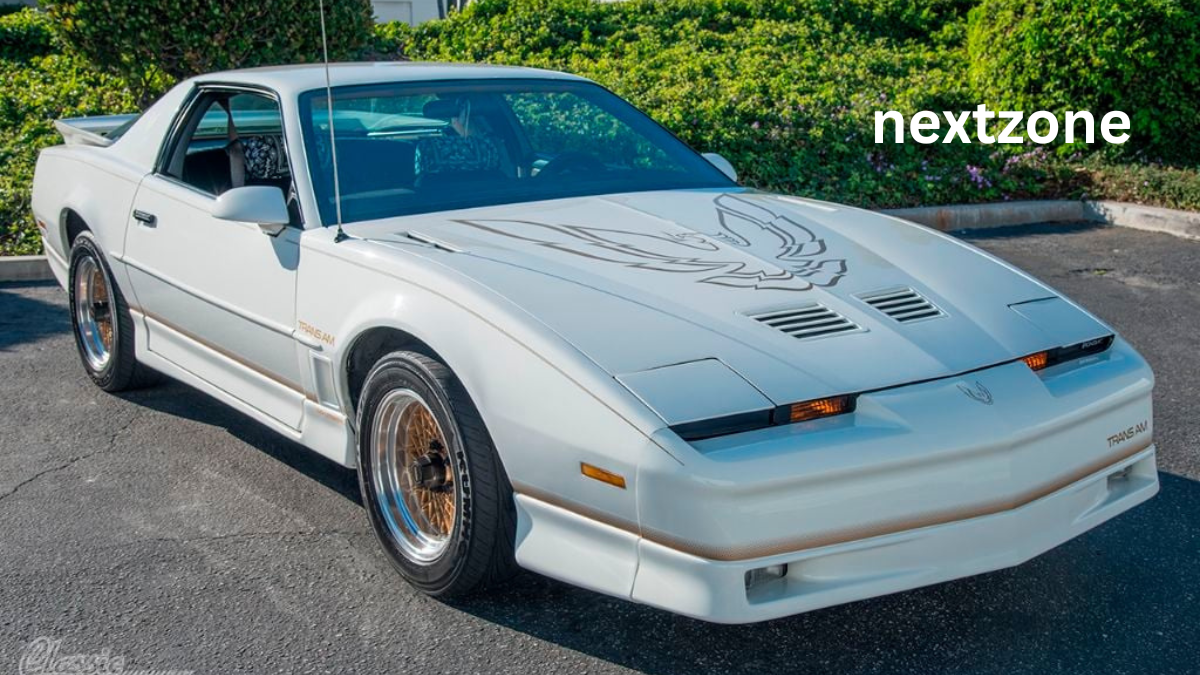
The third gen pontiac firebird represents one of the most distinctive chapters in American performance car history. Introduced for the 1982 model year, this generation reflected a major transformation in design philosophy, engineering priorities, and market demands. Built by Pontiac, it embraced aerodynamic styling, lighter construction, and improved handling while maintaining the aggressive personality enthusiasts expected from the Firebird nameplate.
Produced through 1992, the third gen pontiac firebird emerged during a time when fuel efficiency and emissions regulations were reshaping the automotive landscape. Despite these constraints, it successfully blended sporty styling with practical drivability. Today, it stands as a nostalgic icon of the 1980s and early 1990s, attracting collectors, restorers, and first-time classic car buyers looking for attainable American performance.
History and Evolution of the Third Gen Pontiac Firebird
The redesign that launched the third gen pontiac firebird was radical compared to its predecessor. Engineers reduced overall weight and improved aerodynamics with a sleek, low-slung body profile. Hidden headlights, a sharply raked windshield, and sculpted side panels gave the car a futuristic appearance that immediately set it apart from earlier Firebirds and many competitors of the era.
Throughout its production run, steady refinements kept the model competitive. Mid-cycle updates improved interior materials, suspension tuning, and engine technology. The Firebird’s popularity was further amplified by pop culture exposure, particularly through Knight Rider, where a modified Trans Am portrayed the intelligent car known as KITT. This media presence cemented its reputation as an icon of modern American performance.
Trim Levels and Model Variations
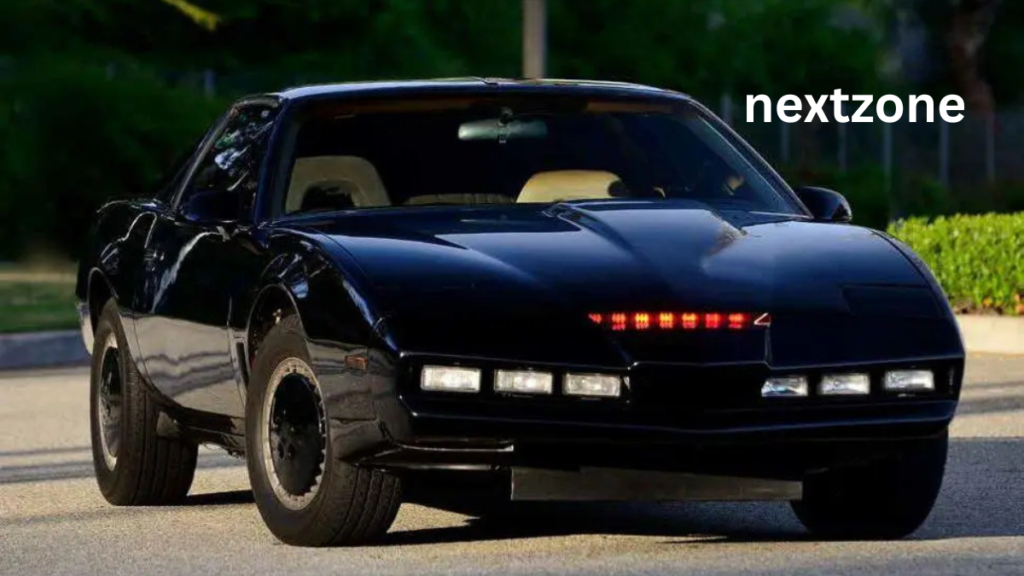
The third gen pontiac firebird was available in several trims, offering a broad range of performance and styling options. Entry-level models focused on affordability and everyday practicality, while appearance packages such as the S/E added aesthetic enhancements. The Formula trim catered to enthusiasts seeking stronger engines without the full visual drama of higher-spec models.
At the top of the lineup stood the Trans Am, which combined aggressive styling with enhanced performance components. Upgraded suspension systems, distinctive body cladding, and unique wheel designs differentiated it from other trims. Whether buyers prioritized budget-friendly cruising or performance-focused driving, the third gen pontiac firebird provided an option suited to nearly every preference.
Engine Options and Performance Specifications
Engine choices evolved significantly during the production span of the third gen pontiac firebird. Early models featured a modest four-cylinder option designed to meet fuel economy standards, while V6 and V8 engines remained available for drivers seeking more power. Over time, technological improvements enhanced both efficiency and responsiveness.
One of the most notable developments was the introduction of Tuned Port Injection in the mid-1980s. This system improved throttle response and overall performance in V8-equipped models. Horsepower figures varied depending on engine configuration and year, but later 5.0-liter and 5.7-liter V8 variants delivered impressive acceleration for the era, restoring excitement to the Firebird’s performance credentials.
Driving Experience and Interior Design
Behind the wheel, the third gen pontiac firebird delivered a balanced driving experience that combined improved handling with everyday comfort. Its lighter chassis and revised suspension geometry offered better cornering stability than previous generations. Drivers appreciated the precise steering feel and composed ride quality, especially in higher-performance trims.
The interior reflected 1980s innovation, featuring wraparound dashboards and optional digital instrument clusters. Supportive bucket seats enhanced comfort during spirited driving, while improved ergonomics made daily commuting more practical. Although materials were typical of the era, the cockpit design emphasized driver engagement and reinforced the sporty identity of the vehicle.
Best Years to Buy and Common Issues
When evaluating a third gen pontiac firebird for purchase, understanding model year differences is essential. Later production years often benefited from mechanical refinements and improved reliability. Prospective buyers should carefully inspect body panels for rust, particularly around the rear hatch and undercarriage, as age-related corrosion can impact structural integrity.
Mechanical concerns typically involve aging fuel injection systems, cooling components, and suspension bushings. However, many issues are manageable with proper maintenance and available replacement parts. A well-documented service history significantly increases buyer confidence and long-term reliability, making thorough inspection and research crucial before finalizing any purchase decision.
Market Value and Investment Potential
The market value of the third gen pontiac firebird remains relatively accessible compared to earlier muscle car generations. Entry-level examples in average condition can be found at affordable price points, while low-mileage Trans Am models command stronger premiums. Originality, condition, and documentation remain the most important factors influencing value.
In recent years, appreciation trends have shown steady growth as nostalgia for 1980s performance cars continues to rise. Collectors increasingly recognize the unique styling and cultural significance of this generation. While not yet reaching six-figure auction results, pristine examples are gradually gaining traction within the classic car marketplace.
Restoration, Parts Availability, and Ownership Costs
Restoring a third gen pontiac firebird is generally less daunting than restoring many earlier classics. Shared components with the Chevrolet Camaro ensure strong aftermarket support. Replacement mechanical parts are widely available, simplifying routine repairs and upgrades for owners.
Ownership costs typically remain moderate, especially when compared to rare muscle cars from the 1960s. Insurance rates for classic registration can be reasonable, and fuel economy is acceptable for a vintage performance coupe. With consistent maintenance and preventative care, this generation can provide reliable enjoyment without excessive financial burden.
Conclusion
The third gen pontiac firebird occupies a distinctive place in American automotive history. Blending aerodynamic innovation, evolving engine technology, and unmistakable styling, it captured the spirit of its era while adapting to new performance standards. Its continued popularity reflects both nostalgia and genuine driving appeal.
For enthusiasts seeking an attainable classic with character, versatility, and investment potential, this generation offers compelling advantages. Whether preserved as a collector’s piece or enjoyed as a weekend cruiser, the third gen pontiac firebird continues to prove that 1980s performance remains both relevant and rewarding in today’s automotive world.
Frequently Asked Questions
What years were the third gen pontiac firebird produced?
The third gen pontiac firebird was produced from 1982 through 1992.
How much is a third gen pontiac firebird worth today?
Values typically range from $4,000 for project cars to over $25,000 for clean Trans Am models.
Which is the best third gen pontiac firebird model to buy?
The late-model Trans Am with a 5.7L V8 is widely considered the most desirable.
Are third gen pontiac firebirds reliable?
Yes, they are generally reliable when properly maintained and regularly serviced.
What engine options were available in the third gen pontiac firebird?
Engine options included a 2.5L four-cylinder, V6 variants, and multiple V8 choices.
Is the third gen pontiac firebird a good investment?
Well-maintained examples are steadily appreciating and offer solid long-term potential.
What makes the third gen pontiac firebird popular today?
Its 1980s styling, pop culture fame, and affordable classic status drive ongoing popularity.
Also Read: national bank of romania